
Freeholder says that’s not fair (and runs up another £14,000 in costs for a one-hour hearing)
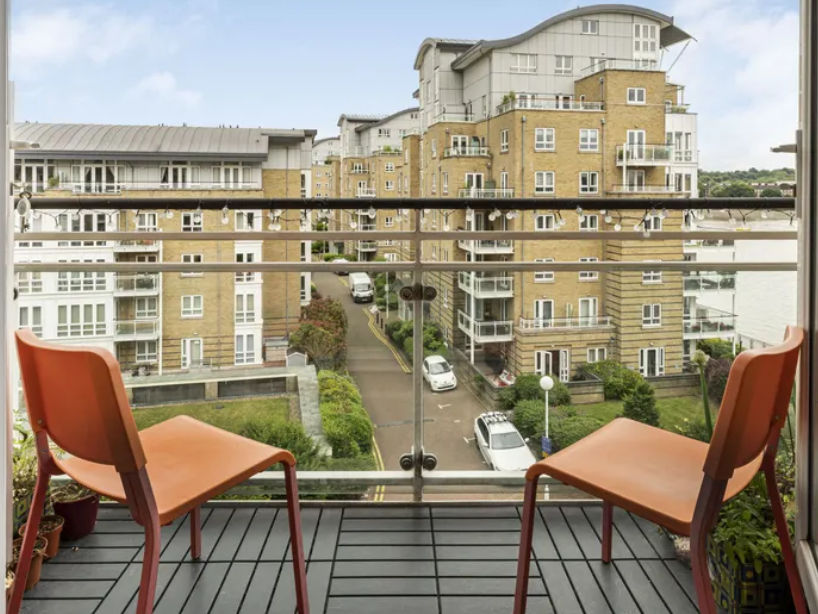
As government consults on secondary legislation to the 2024 Leasehold and Freehold Reform Act to bring balance to leasehold litigation costs (link below), the Court of Appeal was asked yesterday to cap the freeholder’s ballooning legal costs over the ‘contract for eternity’ intercom dispute at St David’s Square.
Liam Spender, the commercial solicitor and a leaseholder at the prime site in London’s Docklands, offered the freeholders FIT Nominee Limited and FIT Nominee 2 Limited, which are part of NatWest Bank, that recoverable legal costs be limited to £25,000 but had heard no reply, despite making the offer in April.
The two FIT companies hold the freeholds of around 50,000 flats and houses on trust for the ARC Time Freehold Income Fund. ARC Time – a fund worth about £200 million – is involved in the judicial review against the Leasehold and Freehold Reform Act 2024, claiming that the law infringes its human rights.
Mr Spender told Lord Justice Nugee and Lord Justice Birss that the freeholders had already spent £155,000 since 2021 and rising, and the Court of Appeal is to hear the case in November.
If the leaseholders are unsuccessful the issue will be who pays the landlords’ legal costs: the 70 leaseholders participating in the appeal; or all 476 leaseholders at St David’s Square; or Mr Spender personally.
The leaseholders are seeking an order limiting recoverable costs to avoid being bankrupted by the case if they lose.
The government consultation is below with a deadline of September 26. LKP will shortly publish essential points for leaseholders to make, including the efforts to balance legal costs. The freeholder lobby has been intensively active over this consultation:
Strengthening leaseholder protections over charges and services: consultation
The Leasehold and Freehold Reform Act 2024 (“the 2024 Act”) introduces a range of reforms to improve home ownership for millions of leaseholders in England and Wales. It includes measures to improve the rights of existing leaseholders and help them better hold their landlords to account by increasing transparency of service charges and building insurance policies, as well as by tackling unjustified litigation costs.
Mr Spender told the court: “The obvious inference from the Respondents’ refusal to give an undertaking [not to enforce all of their costs against any one leaseholder] is that they intend to enforce any order for costs against the First Appellant personally [that is, Mr Spender].”
Mr Spender explained in his witness statement that this would most likely bankrupt him, resulting in the loss of both his home and his job.
The landlords’ lawyers said no one was seeking to make Mr Spender bankrupt – Lord Justice Nugee used the word “vendetta” – but that the freeholder’s legal costs should act as a deterrent to ill-considered further litigation.
In response to a question from Lord Justice Nugee about the landlords’ intention on enforcing costs their barrister, Tom Morris, said that he was instructed that “all options are open”.
Mr Spender said: “There is obviously an inequality of arms here and the freeholders are running up another £14,000 just on this hearing. We are being out-spent by four to one and cannot possibly match the resources deployed against us.”
The precise amounts of money were disputed by the freeholder’s lawyers, who appeared to suggest that the landlord only planned to spend around £75,000 on the Court of Appeal case, not the £150,000 suggested by the leaseholders.
The hearing yesterday is the latest step in a process that began in 2021 when the leaseholders brought and won their case against their landlords at the First Tier Tribunal.
The dispute concerned service charges for intercom, car park gates and barriers and communal satellite television equipment between 2018 to 2020. The systems are all rented under long-term agreements.
In January 2023 the FTT decided that the relevant service charges should be reduced from £590,000 to £112,000. The FTT also found other service charges of around £200,000 were unreasonable.
It also issued a Section 20C order preventing the landlord from recovering its legal costs from via the service charge.
Mr Spender claimed yesterday that the freeholders did not comply with the s20C order. He showed the court a letter from the freeholders’ solicitors claiming that they had forgotten to tell their accounts department. He said the accounts showed that the payments continued after that letter. Mr Spender said this meant the freeholders had taken at least £117,000 from the site’s reserve fund when the order was in place.
The dispute went against the leaseholders in 2024 when the freeholders won on appeal to the Upper Tribunal, which limited the reduction in service charges to £50,000 for the second half of 2020 only. It also then reversed the s20C order made by the FTT and refused an order under s20C in relation to that appeal.
The full archive on St David’s Square is here
Mr Spender discussed his case in Parliament in November 2023 here:
MPs aghast at Liam Spender’s account of being a leaseholder litigant. It is like ‘being a laboratory animal in a maze controlled by freehold-owning landlords and their enablers’
Judgment was reserved and will be given in writing at a later date.
The case continues.
Related posts:
 Spender wards off attempt to frustrate his appeal over £590,000 ‘contract for eternity’ intercom systems
 Leaseholders in Ilfracombe can claim legal costs against wideboy freeholders over £2.6m wrongly demanded service charges, says Court of Appeal
 Leaseholders escape £55,000 legal bill dumped on the service charge by Triplark – as reforms seek to balance arms in leasehold litigation
 Leaseholders defeat landlord trying to dodge consultation over a section 20 dispute in Court of Appeal
 MPs aghast at Liam Spender’s account of being a leaseholder litigant. It is like ‘being a laboratory animal in a maze controlled by freehold-owning landlords and their enablers’
 Leaseholders escape £55,000 legal bill dumped on the service charge by Triplark – as reforms seek to balance arms in leasehold litigation